
School Garden Play for Younger Children
by Lori Klein
The 2025-2026 school year is underway. Parents, teachers, and children have settled into the new routines and there is calmness that has now replaced the hectic last-minute preparations that go with the beginning of the new school year. Late Summer is a magical time of the year in the Napa Valley: plump grapes are harvested, gardens and farms are full of tomatoes, ripening pumpkins and sunflowers and the rich palette of fall is beginning to appear. As we slowly transition from one season to the next, it is an ideal time to play in the garden!
A garden need not be large or complicated but should provide a space where children have the freedom to interact outdoors and engage in imaginative and sensory play. When children watch changes that occur in nature such as a spider building a web, stomp in puddles or nibble a growing carrot they just picked, they are learning healthy behaviors through play supporting learning. The process of planting seeds, getting hands dirty and interacting with nature offer stress relieving environments. When our skin touches soil, our brains release dopamine and serotonin, leading to improved mood and less anxiety.
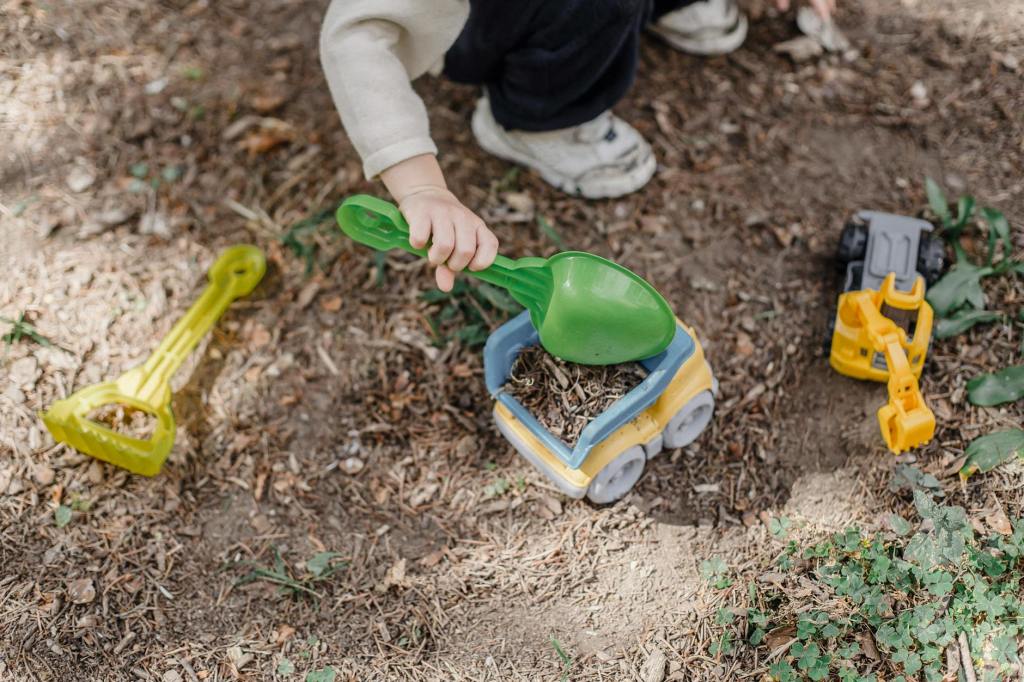
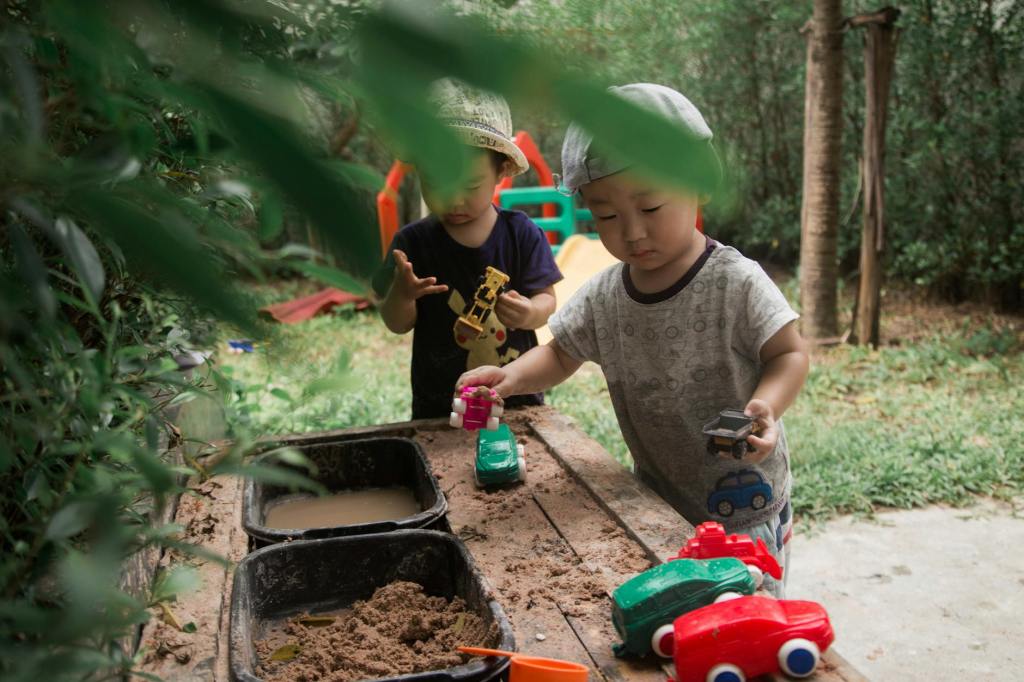
Outside time is a crucial part of healthy development and children do not get enough of unstructured free time. According to a recent study by the Kaiser Foundation, the average American child ages 8-18 spends only 4-7 minutes a day involved in unstructured play outside, but 7.5 hours on screens for entertainment purposes, not including time spent on screens for educational purposes. Powerful benefits of outdoor play include building confidence, inspiring creativity, teaching responsibility, reducing stress and anxiety, improving physical and mental health, and creating opportunities to socialize.
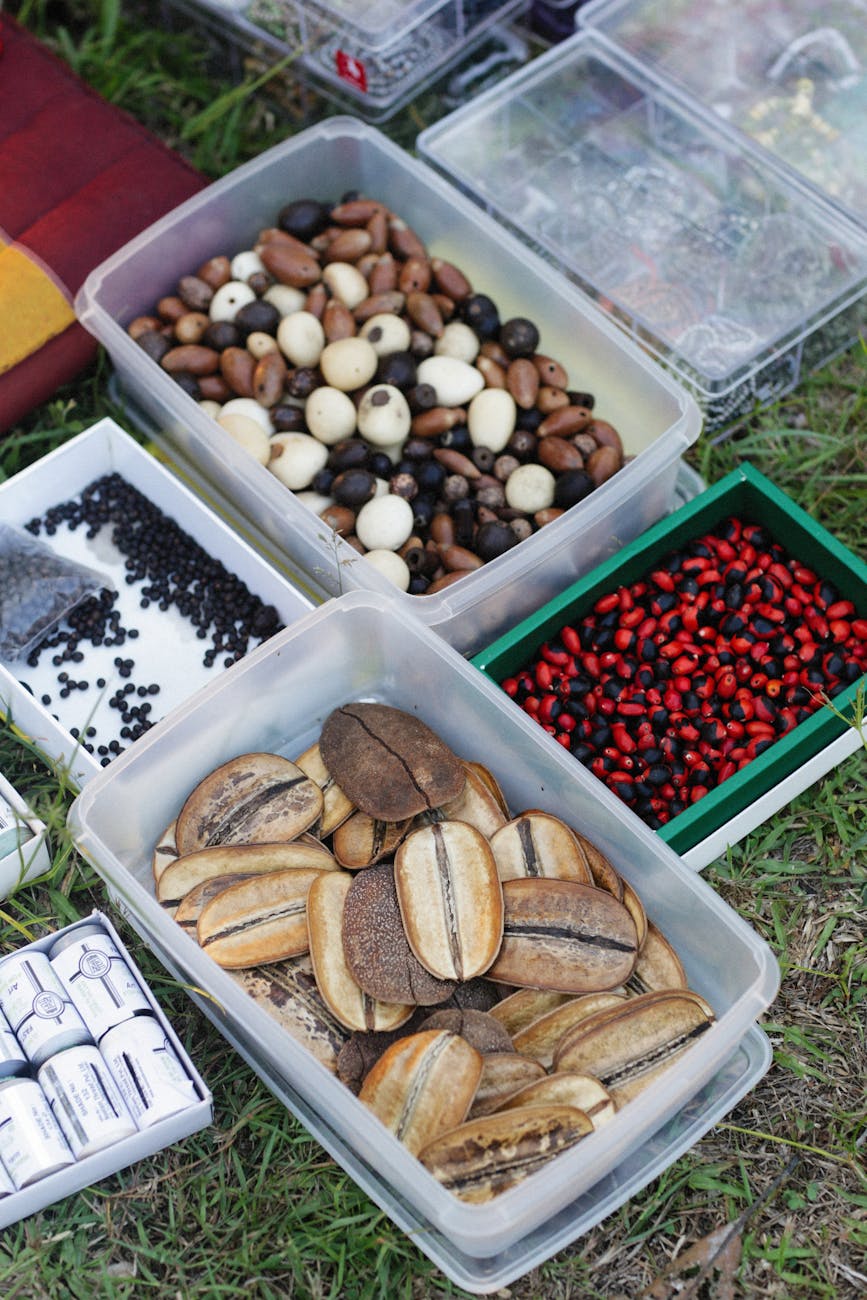
I fondly remember playing in my backyard for hours as a child making flower soups with rose petals, rocks and water using a puddle and a stick to stir with. Today, early childhood educators call those items “loose parts,” but the more natural items children have to interact with in their surroundings, the better because it encourages curiosity, hands-on exploration, and develops connections with nature. Outdoor environments incorporate all the learning modalities that are part of a day in school but occur organically through play rather than rote learning. Science, mathematics, language, physical activity, problem solving and collaborative learning all take place when children immerse themselves outdoors.
I believe there’s fear associated with gardening. People are afraid they are not going to do it “right” and they will kill the plants. My suggestion when developing a garden for children is to start small. Choose a space you feel comfortable with letting your child have and what feels manageable for your family to take care of. As your confidence and skills grow, so does your garden. A good garden comes down to key ingredients such as good soil, adequate water, proper sunlight, and the right plants for the season; A tomato plant just will not grow in January in Napa, but it is a wonderful time to start peas. Do a little research, there are great resources available online- Google has been incredibly helpful to me, as well as the Napa Master Gardeners.
When I first created the small garden for my preschool students, I used a small weedy space at the back of the school for a small flower garden and did all the planting myself. My students and I would go to admire this new space, but they were not impressed. I gave up disenchanted. I realized later because there was no engagement for them. A few years later, I tried again with small groups of children.
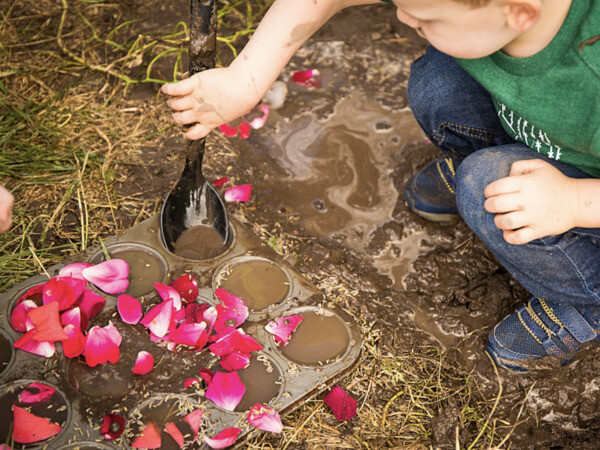
They dug holes in the dirt, and we put in leaves and banana peels to improve the soil. Once the children started to work and play out there, they were so interested in watching the nature that we had invited into that space, they wanted to be in the garden more. Our space was simple, and we spent many happy hours over the course of that year planting, eating, and discovering the changes that were taking place. We were able to incorporate our harvest into small cooking projects, if anything survived the greedy hands of hungry preschoolers.
The play-based garden came later. We had a water table, a small picnic table and two outdoor kitchens. The children scooped the pea gravel ground cover using a variety of thrifted kitchenware available to explore with. There were vehicles, animals and two wheelbarrows. Loose parts, such as seashells, feathers, mini pumpkins pinecones, rocks, leaves were available for their play. There was no agenda.
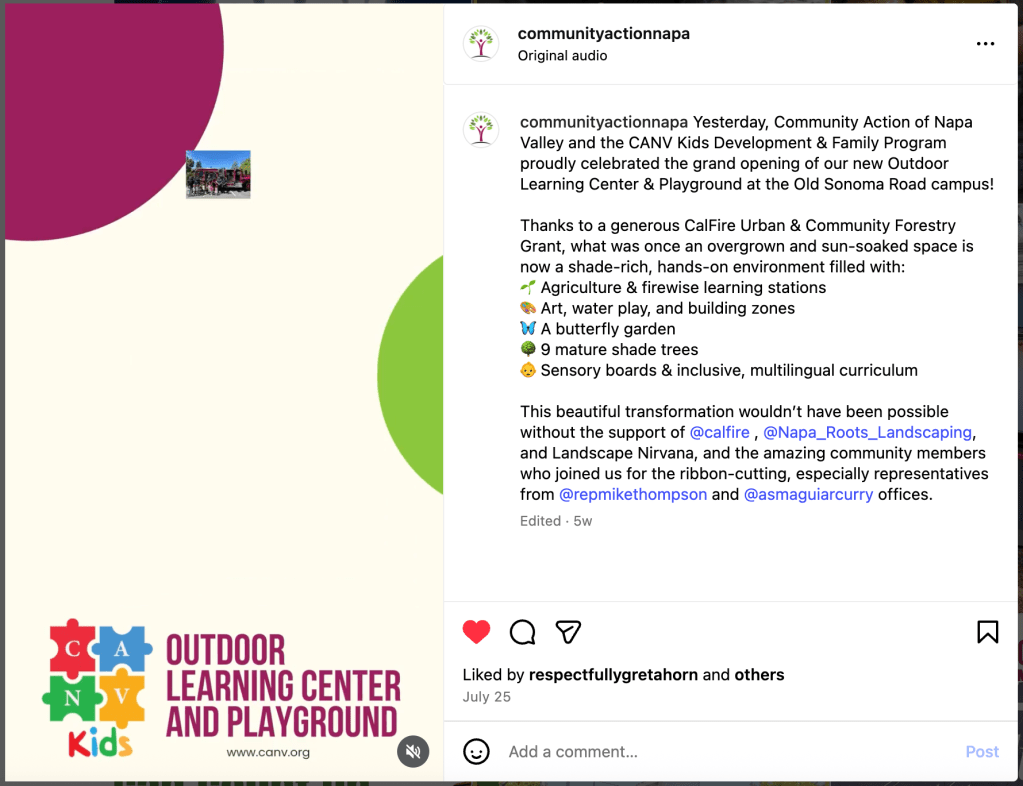
I recently attended the Grand Opening of a beautiful Children’s Garden for a nonprofit preschool program here in Napa. The Garden Play space was a collaborative project involving community partners. Multiple raised beds containing vegetables, herbs and flowers surrounded by native plants, mini composting stations, outdoor kitchens, and a worm bin. A huge tree offers shade and a peaceful place to listen to books in the afternoon. The native garden invites Monarch Butterflies, other insects, and birds for the children to study with magnifying glasses and binoculars. The garden is a happy space and offers opportunities for cooking projects, free play, and STEM learning.
Both gardens are examples of gardens in preschool settings, however, they can accommodate children up to 10-12 years of age in elementary school programs or a backyard garden with some tweaking of materials for play. As children grow, get them involved. What do they want to grow? Research recipes and foods they like. Try a raised bed with the ingredients to make pizza. Cooking from scratch just like gardening, takes practice. But so rewarding when you eat a meal with the sauce you made from tomatoes you and your child planted together. Children love to eat, and they will be engaged and excited if you are too. Gardening and cooking will be a healthy hobby that will stay with them as they grow.
Lori Klein became passionate about Early Childhood Education while raising her own children. Lori uses her past experiences in cooking, baking, and love of gardening to teach her Child Start students about preparing nutritious foods from the school garden and to help foster a love for nature. She joined the board of The School Garden Doctor in 2024.
New to Napa School Gardens? Introduce yourself in the comments below or subscribe to this quarterly newsletter.

Leave a comment