

It’s time to plant sunflowers! If school gardens had just one symbolic flower, sunflowers are it. The meaning of sunflower is associated with longevity, nourishment, and strength. School gardens definitely bring all of these qualities to a school campus. Read more in Sunflowers are Fun Flowers!.

Speaking of sunflowers…four garden educators were awarded stipends from the Erin S. Soper Memorial Fund this year: Marisol Angel (NVLA), Teresa Navarro (Shearer), Caitlin Pramuk (Willow) and Jennifer Strommen (Silverado Middle). Nominate yourself or someone you know when the window reopens on March 4, 2025.
Upcoming Local Events
Planting for Monarchs & other Pollinators
June 16, 2024 2:00 PM – 4:00 PM
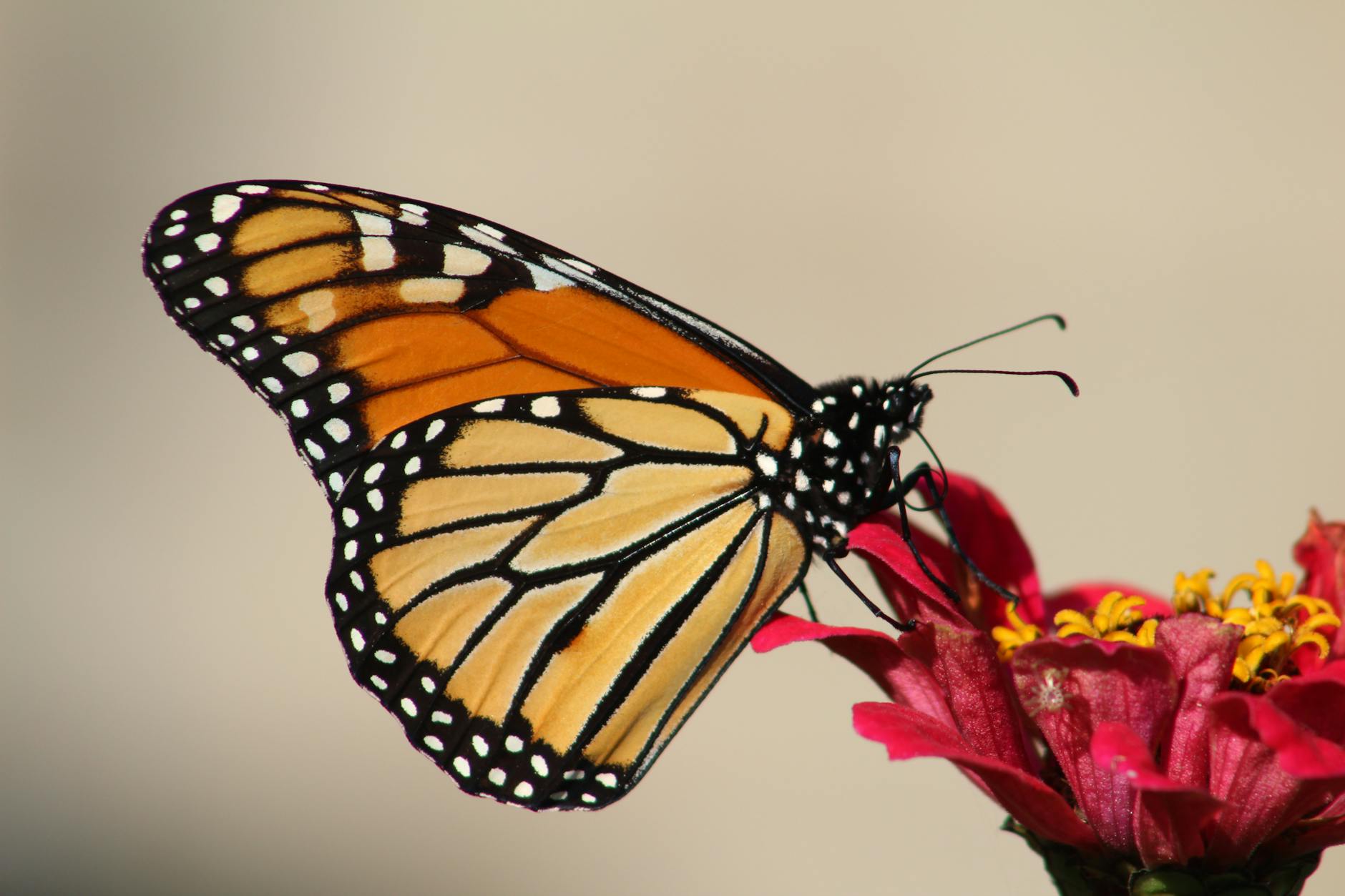
Details: Learn about host plants, nectar plants and how to include them in your garden to not just attract the pollinators but provide sustainable habitat for them. This workshop is offered in partnership with Yountville Parks and Recreation Department and attendees should sign up for it at their website: Click Here
After clicking the link, navigate to the registration page by scrolling down to: Adult Activity > UC Master Gardeners > Planting for Monarchs & other Pollinators
Voices of Experience
Nancy Lim, A Board Member of The School Garden Doctor, shares how a community-based effort is growing a school garden program up valley.
As an educator and avid gardener, I’ve seen first-hand that a school garden is a wonderful place for children (and adults) to play, learn and grow. It’s a place for children to learn where their food comes from while developing responsibility and negotiation skills. A school garden is an outdoor classroom, a writing laboratory, and a science observatory. All too often people consider only the agricultural aspects of gardening. Though agricultural components are essential, a school garden is more than just a garden, providing many social and behavioral benefits over and above the fresh produce.
Getting a school garden from idea to harvest is a journey with many steps, but luckily many others have traveled this road before and agree that the rewards are worth the journey. Many experienced educators and gardeners freely share advice about how to get started and how to keep the garden efforts going. From my experience, developing a school garden program comes down to planning and building in three main areas: people, place, and plants. In other words, a school garden begins with community.
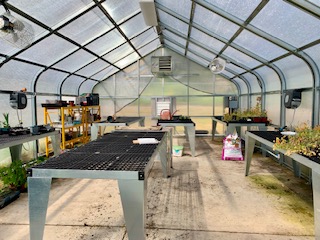
Howell Mountain Elementary School is a local example of a school that is growing vegetables and community. A rural K-8 school district in Angwin, they purchased a large state-of-the-art greenhouse and received donations of seeds and pots. Their leader, Dr. Janet Tufts (Principal/Superintendent), had a clear vision. What was missing was a dedicated garden committee to establish guidelines and sustain the gardening efforts.
To create a dedicated “Green Team”, Dr. Tufts looked in and beyond the school community to recruit parents, farmers, a youth pastor, teachers, garden educators and the school’s food service coordinator. Each person brought different strengths and capabilities, and together, this diverse team extended to a greater network of resources and skills. A landscape contractor offered to prune the fruit trees. A parent/farmer provided resource links for seed and soil companies she uses on her property. A monthly meeting schedule was created and each committee member partnered with a classroom.
“We want to grow fruits, flowers and vegetables from seeds to be transplanted around our beautiful campus. All food will be consumed in the cafeteria, or could be used as a vegetable stand for the community. I will accept suggestions for any supplies to facilitate getting our students’ hands in the dirt!”
Dr. Janet Tufts, Principal/Superintendent, Howell Mountain School District
During my sessions with the second graders, I guided the students to plant, tend and learn. We talked about veggies we like to eat and what plants need to grow and then we got busy planting pea, bean, and lettuce seeds. We shared anecdotes about our backyard gardening successes and experiments. They added the task of watering the veggies to their class jobs. These active students were engaged, getting dirt under their fingernails and finding worms and roly polys. We observed many changes as the seeds grew into small plants in the greenhouse to larger plants ready for the outdoor garden boxes. The students enjoyed eating baby lettuce leaves straight off the plant.
As has been noted elsewhere (, school gardens encourage teamwork, individual responsibility, and a commitment to success. I saw middle school students shoveling soil into the garden boxes and primary students making labels and digging holes for their plants. In the same way that team sports foster pride in student athletes, school gardens strengthen bonds between school gardeners and their communities. And in the agriculturally rich Napa Valley, gardening is a way of life for many. For students at Howell Mountain they now have a common experience at home and at school. Gardens can increase involvement of external volunteers at schools, allowing students to create connections with non-teacher, non-related adults. And when family members participate, it strengthens intergenerational bonds.
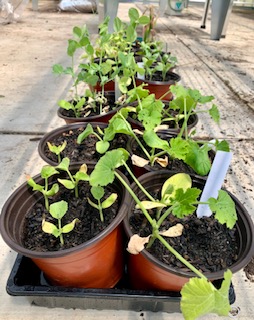
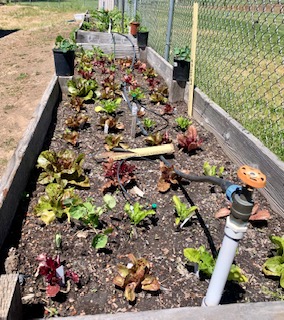
Just like at Howell Mountain, school gardens often extend their reach beyond the school walls, fostering community engagement. Gardens promote a sense of belonging, encouraging a shared responsibility for the local natural environment. The interactions between children, teachers and volunteers encourage growth in interpersonal and cooperative skills. In addition, research confirms what we know in our experience and in our hearts. In his ethnographic study, Community garden: A bridging program between formal and informal learning, Ranjan Datta provides insights about the benefits of school and community garden programs. Datta asserts that “humans have a strong instinct to belong to small groups with a common purpose, and gardening is a safe way to gather and connect.”
In only a few short months, Howell Mountain’s garden program is off to a good start. With careful tending, it will continue to blossom. Teachers are motivated to integrate the garden into their curriculum with engaging hands-on lessons. Grant monies have been earmarked to purchase two planting tables, more garden tools, and a compost bin. The Green Team will plan for future projects, including repairing old garden boxes and drip irrigation and building more garden boxes. As the Green Team started listening to teachers, parents and students who mention that they garden or know somebody who gardens, we created a list of potential helpers and volunteers to sustain the garden through the summer months and during holiday breaks.
Fortunately, there are a growing number of resources if you want to get a school garden off to a healthy start. Here are a few:
- The Edible Schoolyard, a pioneer in school gardening, developed the thriving outdoor learning space at Martin Luther King Jr. Middle School, in Berkeley, California. (Learn more in the Edutopia.org article “Middle School Students Grow Their Own Lunch” and the accompanying video, The Edible Schoolyard Yields Seed-to-Table Learning.)
- KidsGardening, a project of the nonprofit National Gardening Association, coordinates the Adopt a School Garden program.
- The California School Garden Network offers online information about how to set up a school garden.
- School Garden Wizard offers garden-planning tools and showcases a gallery of school-garden photos.
School gardens can come in all shapes and sizes, from a few raised beds to composting bins, greenhouses, and elaborate edible landscapes.The benefits of a school garden continues to grow as does its popularity as a tool that teachers can use across the curriculum for outdoor learning and environmental awareness and appreciation. And its value as a place that nurtures social and behavioral development cannot be emphasized enough. A school garden is a natural place where people come together, to solve problems, to help one another. It fosters community and the much-needed connections that we all need.
Nancy spent her 17-year career as an elementary school teacher, reading specialist, and parent education coach. She taught at a K-8 school that valued monthly class field trips and class gardens. She has authored many posts related to hands-on learning and gardening experiences, such as: Make it Hands On and Cultivate a Connection to Food.
Got plants? Do you run a plant sale as part of your school garden program? Share your photo or story here or comment below.
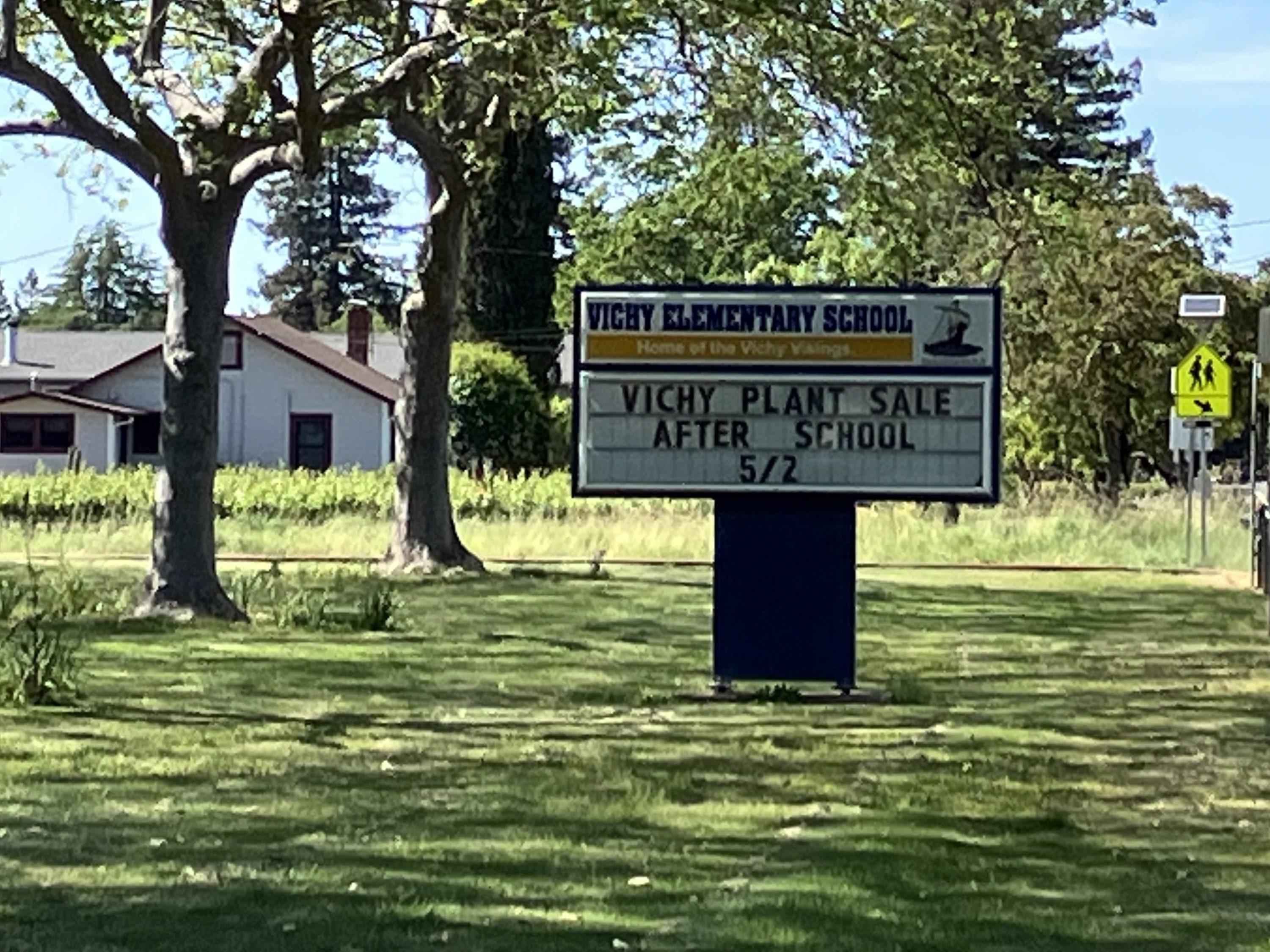
(Photo Credit: Carrie Strohl)
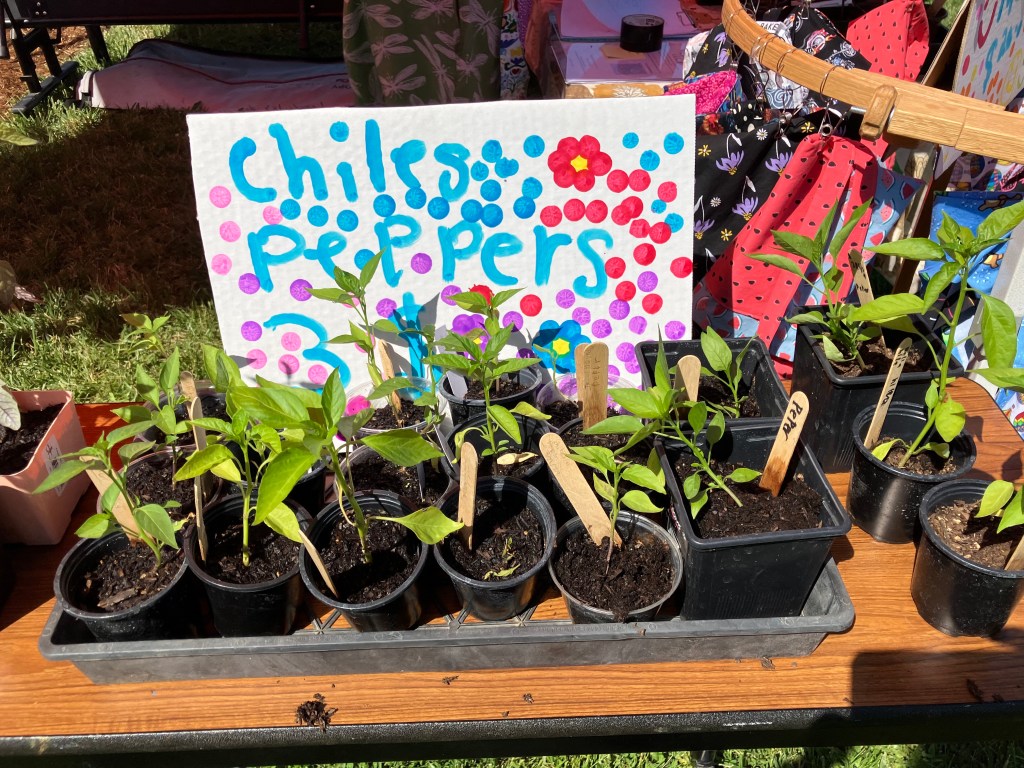
(Photo Credit: Carrie Strohl)
by
In case you missed it…
Local stories to sustain school gardens.

Leave a comment