

I love it when teachers write to me and share the wonderful things they are doing in their science classrooms or school gardens. Recently, I received one such email from a teacher who took her students on a field trip to the Napa Farmers Market! This particular email was especially meaningful for me because it came from a teacher who works at the school where I spent many hours observing garden lessons and talking with students while completing my doctoral dissertation in 2013-14.
One important evidence-based theme from garden-based education research is that gardens are well-situated to make strong connections to home and community. As Nathan Larson points out in Teaching in Nature’s Classroom: Core Principles of Garden-Based Education, a school garden “can serve as a valuable community resource that brings parents and neighbors together.”
When students complete a scavenger hunt that asks them to find “vegetables in the market you’ve never eaten before” (one of the questions the teacher shared), they are engaging in an act of self-discovery that heightens awareness and fosters open-mindedness. Similar to learning in a garden classroom, students who visit a farmers market learn to identify new foods, distinguish between varieties of fruits and vegetables, and interact with farmers who grow what we eat.


Some schools host their own pop-up markets on campus! In my experience, parents will buy anything their kids grow at school (in part because they know kids will eat most anything they grow themselves). Garden-based education becomes a catalyst for memorable connections.
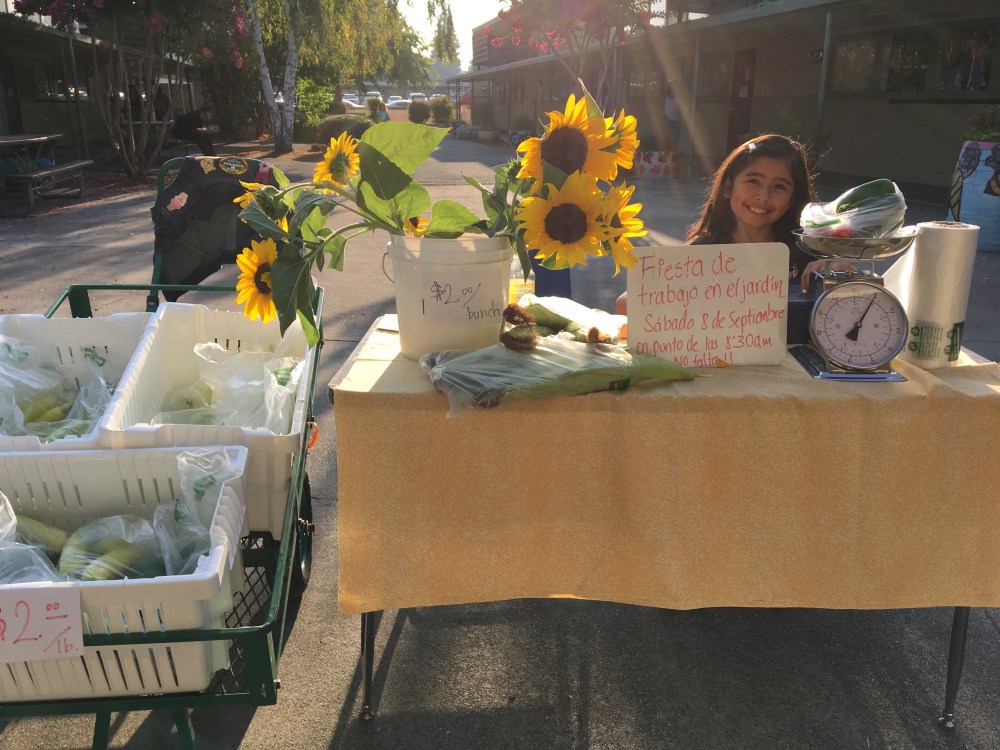
Larson highlights another way gardens make connections: addressing food insecurity. School garden produce is often donated or sent home for families to enjoy. At the start of the pandemic, several school garden organizations around the country ramped up their production to close the gap for food insecure families. Similarly, many vendors at the Napa Farmers Market donate produce to local food banks. Several service clubs in the community grow for this purpose also, so if your school doesn’t have a garden to grow, perhaps students can still volunteer in a community or food bank garden.
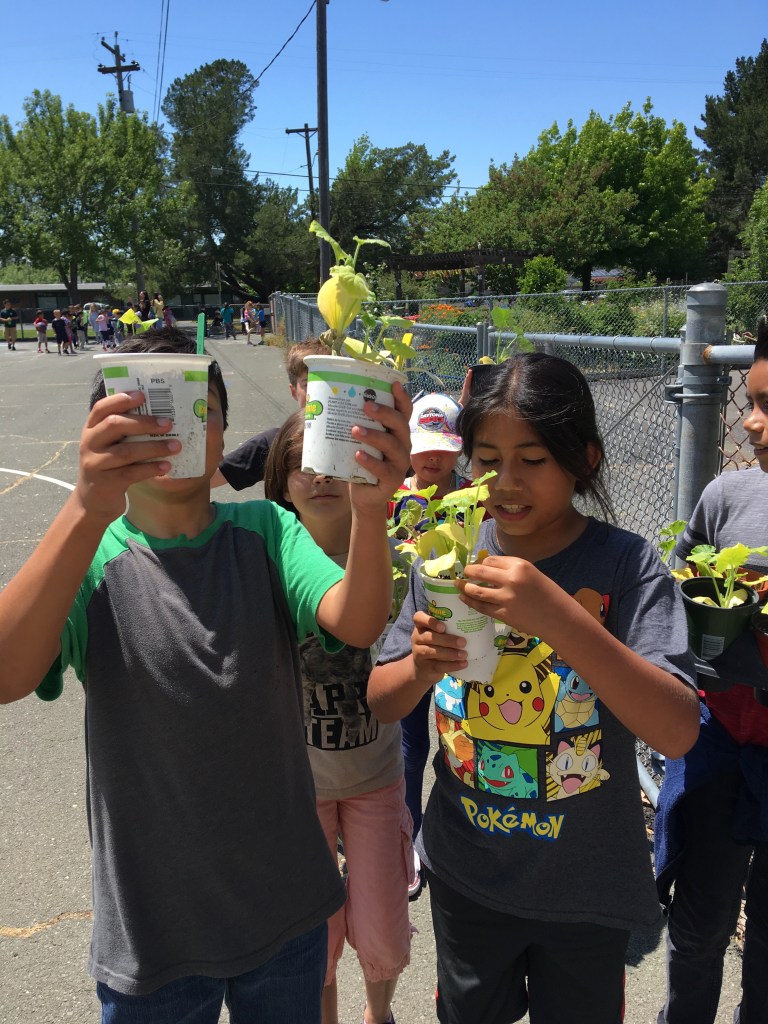


One more way Larson suggests making connections is by hosting and inviting parents and neighbors to school garden events. Seasonal celebrations, open house, and garden tour enrich connections to home and community. Check out the related posts below for more inspiration.




Leave a comment